


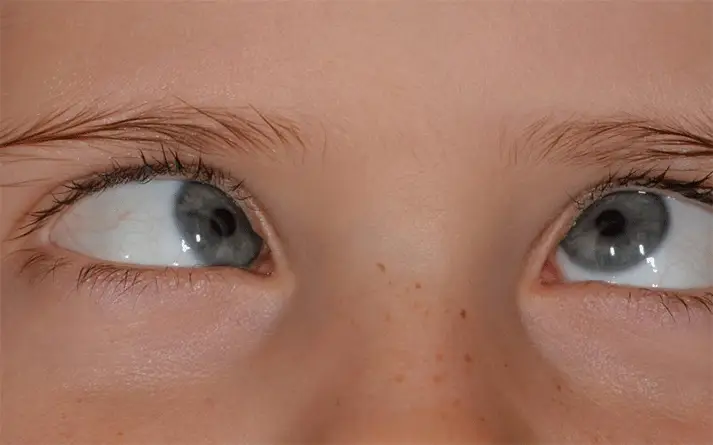
Crossed eyes are also referred to as squint, where the eyes do not align properly and face opposite directions. This condition can affect both children and adults and can be either permanent or intermittent.
Depending on the type of squint and the cause of it, it may be accompanied by symptoms such as double vision, blurred vision, focusing problems, strained eyes, or impaired depth perception. Squint in children can also impact the visual development of the affected individuals.
Strabismus is of two types – intermittent or constant. The intermittent strabismus occurs during some part of the day, such as when the eye muscles are tired or during an illness. Sometimes parents may notice their child’s eyes wandering during first few months of its birth. That’s mainly because the infant is still learning to focus and to move both the eyes together. This condition is over by the time they reach 3 months of age. Strabismus, however, is a constant situation.
The crossed eye is grouped according to the direction of misalignment. If one eye is looking straight and the other appears to be looking inwards (towards the nose), it is known as esotropia or convergent strabismus.
If the other eye is looking outward (towards the ear), it is known as exotropia or divergent strabismus. If the eye is misaligned in a downward direction, it is hypotropia, while in an upward direction, it is hypertropia.
What Causes Crossed Eyes?
Causes of Squint in Children
Cover medically appropriate causes such as:
- Refractive errors
- Problems with eye muscle control
- Congenital/developmental factors
- Family history
- Certain neurological or developmental conditions
Causes of Squint in Adults
- Long-standing childhood squint
- Diabetes
- Thyroid-related eye disease
- Stroke
- Neurological conditions
- Trauma
- Other conditions affecting eye movement
Symptoms of Crossed Eye
Commonly known symptoms for a person who suffers from crossed eye conditions are blurred vision, double vision, and vision disorder. The eyes do not appear to move together. The eyes often blink and squint, especially in bright light, and look misaligned. Sometimes, diseases such as high blood pressure, diabetes, multiple sclerosis, and thyroid disorders can also trigger this condition. You should consult a doctor if you see any symptoms in your child or any adult.
Crossed Eyes in Children: When Should Parents Worry?
- occasional misalignment in very young infants
- persistent eye misalignment
- one eye turning inward/outward
- abnormal head positioning
- squinting in bright light
- difficulty focusing
- double vision in older children
- importance of an eye examination
Can Crossed Eyes Be Corrected?
Treatment of Crossed Eye
The eye doctors will check for alignment of the eye and the coordination in the movement of both the eyes. There is no prevention of this condition, but it can be treated if detected well in time. This can be treated in adults as well to a large extent.
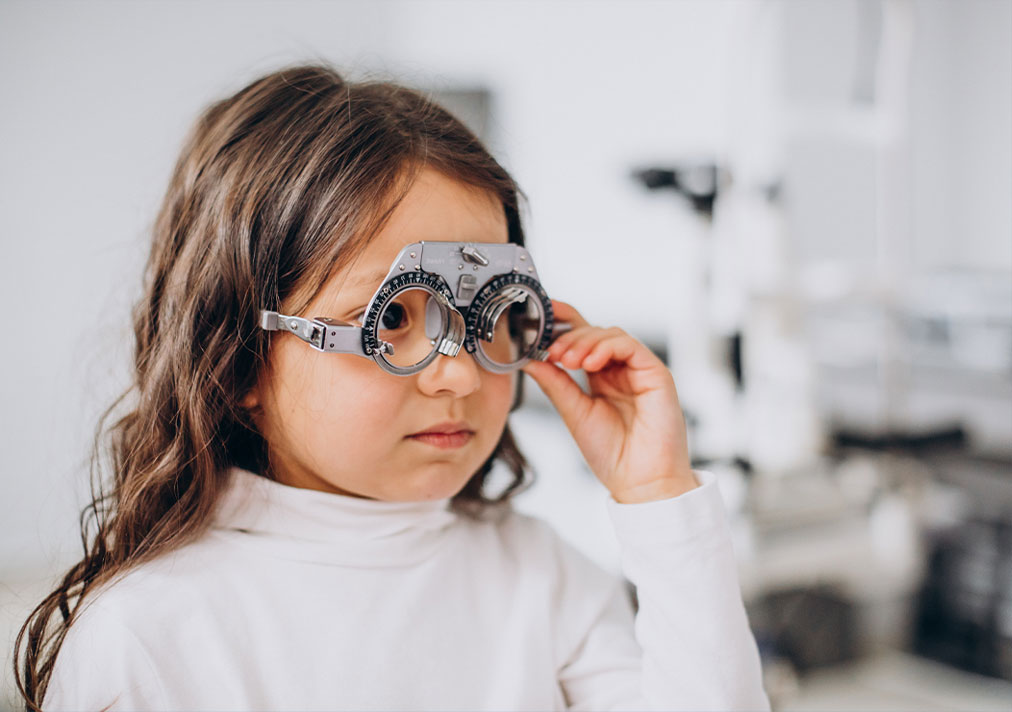
An eye doctor may prescribe glasses to correct vision defects. Eye exercises are also found to be helpful in strengthening the eye muscles. Surgery can also be used to loosen or tighten the muscles of a specific eye in order to realign the eyes.
We, at Eye-Q Vision, have Pediatric Services where a specialized team of doctors looks after the eye problems of your child. We assure you that the health of your child’s eyes is in safe hands.
Also Read- Nearsightedness (Myopia): Symptoms, Causes, Treatment
When Is Squint Surgery Needed?
Squint surgery may be recommended when eye misalignment persists despite other appropriate treatments or when surgical correction is considered the best option based on the patient’s condition. The decision depends on factors such as the type and degree of misalignment, age, vision, previous treatment and overall eye health.
When Should You See an Eye Doctor?
Include situations such as:
- persistent eye misalignment
- sudden-onset double vision
- sudden eye deviation in an adult
- reduced vision
- eye pain
- neurological symptoms
- a child’s eye repeatedly turning inward/outward